Source CO2 Separation Module for Alcohol Plants, Breweries, and Petrochemical
Find 30 verified CO2 separation module options for alcohol plants, breweries, and petrochemical industries. Compare specifications including membrane types, capacity, and ISO certifications to select the right gas recovery solution for your facility; compare the available evidence and request quotations based on your requirements.
Key considerations
Products List


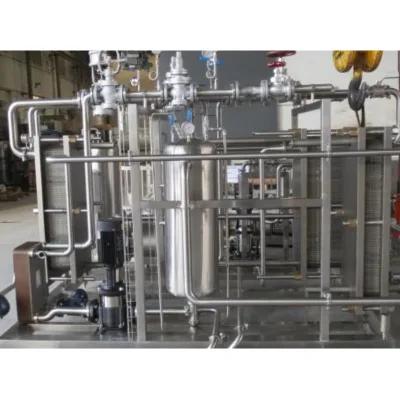




Comprehensive Sourcing Guide
Co2 Separation Module Sourcing Guide
Procuring a CO2 separation module requires a clear understanding of the specific gas source and intended purity, as the technology varies significantly between applications. The observed market includes systems designed for alcohol plant fermentation gas, where the primary purpose is gas recovery for industrial or food-grade use. Buyers must distinguish between modules intended for general petrochemical applications and those specialized for brewery plants, ciders, wines, and sparkling water production. The distinction is critical because the feed composition, particularly the presence of alcohol vapors or other contaminants, dictates the necessary pre-treatment and membrane material selection.
Furthermore, the operational context heavily influences the choice of module architecture. Some listings indicate a focus on low noise levels and horizontal or vertical installation options, which are vital for facilities with space constraints or strict environmental regulations. The observed data suggests that customization is widely available, allowing buyers to tailor capacity and configuration to their specific throughput needs. However, this flexibility requires careful definition of requirements upfront, as the module must align with the existing infrastructure of the fermentation or processing plant to ensure seamless integration and efficient gas recovery.
Product Scope and Observed Listing Signals
The current market landscape for CO2 separation modules reveals a diverse range of product models, including specific designations like AJ47, WTC-2.5*8, and various membrane types such as plate and frame or hollow fiber configurations. These variations signal different operational principles, with some modules utilizing cross-flow filtration and external pressure permeation modes. Buyers should note that the feed status is typically liquid or gas, with operating temperatures ranging from 5 to 35 degrees Celsius and operating pressures around 0.6 MPa. This technical diversity means that a one-size-fits-all approach is ineffective, and buyers must match the module’s physical and chemical properties to their specific process conditions.
Observed listing signals also highlight the importance of machine size and capacity customization. Products are categorized as medium or large, with capacities that can be customized to meet specific production demands, often falling within a standard range of 200 to 10,000 kilograms per hour. The effective film area and component dimensions, such as a diameter of 63 mm or a length of 305 mm, are critical specifications that impact the separation efficiency and footprint of the installation. Buyers should scrutinize these physical attributes to ensure the module fits within their available plant space and meets their required throughput without necessitating excessive auxiliary equipment.
Technical Specifications to Verify
When evaluating technical specifications, the membrane type and material are paramount for ensuring long-term performance and chemical resistance. The observed data indicates the use of polypropylene (PP) materials and various membrane structures, including plate and frame and hollow fiber designs. Buyers must verify that the selected membrane material is compatible with the specific gas composition, which may include methane, nitrogen, hydrogen, and carbon dioxide. The operating method, typically cross-flow filtration, must be validated against the feed temperature and pressure limits to prevent membrane fouling or degradation, ensuring that the module maintains its separation efficiency over its operational lifespan.
Additionally, the installation orientation and operating pressure limits are critical technical factors that affect system design and safety. Modules may be installed horizontally or vertically, a choice that depends on the facility’s layout and maintenance access requirements. The operating pressure, observed at approximately 0.6 MPa, must be carefully managed to stay within the module’s design limits, preventing potential leaks or structural failures. Buyers should also consider the noise level, with low-noise options being preferable for environments where acoustic comfort is a priority, and verify that the module’s physical dimensions align with the available installation space to avoid costly retrofitting.
Compliance and Safety Documentation
Compliance with international standards is a foundational requirement for any CO2 separation module, particularly when the recovered gas is intended for food-grade applications. The observed listings frequently cite ISO certification, which serves as a baseline indicator of quality management systems. However, buyers must verify that the certification is current and covers the specific manufacturing processes and quality controls relevant to gas separation equipment. For applications involving food and beverage industries, such as brewery plants or sparkling water production, additional compliance with food safety standards may be necessary to ensure that the recovered CO2 meets regulatory requirements for human consumption.
Safety documentation must also address the handling of potentially hazardous gases and the operational risks associated with pressurized systems. Buyers should request detailed safety data sheets and operational manuals that outline the proper procedures for installing, operating, and maintaining the module. This includes clear guidelines on pressure relief, emergency shutdown protocols, and maintenance schedules to prevent accidents. The warranty period, typically observed as 12 months, should be reviewed in conjunction with the supplier’s support services to ensure that any defects or performance issues are addressed promptly, minimizing downtime and ensuring continuous operation.
Cost Drivers and Commercial Terms
The cost of a CO2 separation module is influenced by several key factors, including the customization level, machine size, and the complexity of the membrane technology. Customization options, such as tailored capacity and specific installation configurations, can significantly impact the final price, as they require additional engineering and manufacturing effort. Buyers should also consider the material costs, with polypropylene and specialized membrane materials contributing to the overall expense. The observed price range is broad, reflecting the variability in specifications and capabilities, so buyers must align their budget with their specific technical requirements to avoid overpaying for unnecessary features or under-specifying for their needs.
Commercial terms, including minimum order quantities (MOQ) and packaging, also play a crucial role in the total cost of ownership. The observed MOQ range varies, allowing for flexibility in procurement, but buyers should negotiate terms that align with their production schedules and storage capabilities. Packaging options, such as wooden boxes or custom packaging, are designed to protect the module during transit, but buyers should verify that the packaging meets international shipping standards to prevent damage. Additionally, the warranty terms and after-sales support services should be clearly defined in the contract to ensure that buyers receive adequate protection and assistance throughout the module’s operational life.
Supplier Qualification and Quality Control
Supplier qualification is a critical step in ensuring the reliability and performance of the CO2 separation module. Buyers should verify the supplier’s manufacturing capabilities, including their experience in producing gas separation equipment and their adherence to quality management systems. The observed ISO certification is a positive indicator, but buyers should also assess the supplier’s track record in delivering projects for similar industries, such as alcohol plants, petrochemical facilities, or beverage production. Requesting references and case studies can provide valuable insights into the supplier’s ability to meet technical specifications and deliver on time.
Quality control processes must be rigorously evaluated to ensure that each module meets the required performance standards. Buyers should inquire about the testing procedures used during manufacturing, including pressure tests, leak checks, and separation efficiency validations. The supplier should provide detailed quality control reports and certificates of conformity for each unit. Additionally, buyers should verify the supplier’s ability to provide customization services, ensuring that they can tailor the module to specific operational requirements. A robust quality control system, combined with a proven track record, is essential for minimizing risks and ensuring the long-term success of the procurement.
Long-Term Procurement Checks
Long-term procurement success depends on establishing a strong relationship with the supplier and ensuring ongoing support for the CO2 separation module. Buyers should verify the availability of spare parts and consumables, such as replacement membranes or filters, to minimize downtime during maintenance. The supplier should provide a comprehensive maintenance schedule and training for the operating staff to ensure that the module is used correctly and efficiently. Additionally, buyers should negotiate service level agreements that define response times for technical support and repairs, ensuring that any issues are addressed promptly to maintain continuous operation.
Regular performance monitoring and periodic audits are also essential for maintaining the efficiency of the CO2 separation module over time. Buyers should establish key performance indicators, such as gas recovery rates and purity levels, and regularly compare them against the initial specifications. Any deviations should be investigated and addressed in collaboration with the supplier. Furthermore, buyers should stay informed about technological advancements in gas separation and consider upgrading or retrofitting their modules to improve efficiency and reduce operational costs. A proactive approach to long-term procurement ensures that the investment in the CO2 separation module continues to deliver value throughout its operational life.
FAQs
What is the primary purpose of a co2 separation module?
The primary purpose is gas recovery and separation, specifically for extracting CO2 from sources like alcohol plant fermentation gas. These modules are designed for industrial applications in food-grade CO2 production, petrochemical processing, and brewery plants. The system ensures efficient purification and recovery of carbon dioxide for commercial use.
Can the capacity of a co2 separation module be customized?
Yes, customization is available for capacity and other specifications. The standard production range spans from 200 to 10,000 kilograms per hour. Buyers can request tailored solutions to match specific operational needs, ensuring the equipment fits seamlessly into existing industrial workflows for ethanol plants or chemical processing facilities.
What certifications do co2 separation modules typically hold?
These modules typically hold ISO certifications, ensuring compliance with international quality and safety standards. Some specialized components may also adhere to ISO13485 standards. This certification framework supports reliable operation in critical industries such as food processing and chemical manufacturing, providing buyers with confidence in product quality and regulatory adherence.
How is the co2 separation module installed and operated?
The module supports both horizontal and vertical installation methods to suit various facility layouts. It operates using cross-flow filtration with an external pressure permeation mode. The system handles liquid feed status at temperatures between 5 and 35 degrees Celsius, maintaining an operating pressure of 0.6 MPa for stable performance.
What warranty is provided for the co2 separation equipment?
A 12-month warranty is standard for the equipment, covering manufacturing defects and operational issues. This warranty period ensures buyer protection during the initial deployment phase. The new condition of the machinery, combined with low noise levels, supports long-term reliability in continuous industrial environments like breweries and petrochemical plants.
Which membrane types are used in these separation modules?
The modules utilize plate and frame or hollow fiber membrane types for gas separation. These membranes are designed for high efficiency in recovering CO2 from fermentation gases. The specific configuration depends on the model, such as MNHO series, ensuring optimal separation performance for various industrial gas recovery applications and purity requirements.